

When it comes to buying light bulbs, it's important to understand the difference between watts and lumens. Watts refer to the amount of energy a light bulb consumes, while lumens represent the amount of light emitted by a bulb. As LED technology continues to improve, it's becoming increasingly important to shop for bulbs based on their lumens, rather than their watts.
This is where lumens to watts conversion charts come in handy. These charts allow you to easily compare the brightness of different bulbs, regardless of their wattage. For example, a 60-watt incandescent bulb produces around 800 lumens of light, while a 9-watt LED bulb can produce the same amount of light.
So why is it important to use lumens to watts conversion charts when shopping for light bulbs? For starters, it helps you find the most efficient bulbs for your home. Since LED bulbs use less energy than traditional incandescent bulbs, you'll save money on your energy bill by choosing lower-wattage LED bulbs with a high lumen output.
Additionally, shopping for bulbs based on their lumens rather than their watts can help you achieve the perfect lighting for any room in your home. LED bulbs come in a range of color temperatures and brightness levels, allowing you to customize your lighting to suit your needs. Whether you want warm, dim lighting for your living room or bright, cool lighting for your kitchen, lumens to watts conversion charts make it easy to find the perfect bulb for any space.
In conclusion, if you want to save money on your energy bill and achieve the perfect lighting for your home, it's important to shop for bulbs based on their lumens, rather than their wattage. With a lumens to watts conversion chart, you can easily compare the brightness of different bulbs and choose the most efficient and effective option for your needs.
Lumens to Watts Conversion Chart – Never Buy Based on Watts
Popular Products

ATEX LED Explosion Proof Light 40/50/60W IP66 For Zone 1 & 21
LED explosion proof lightATEX certificatedZone1 & 21Power: 40/50/60W

IP66 LED Tri-proof Light 36/50/60/80/100W Waterproof Linear Light
This product is suitable for substations, factories, power distribution rooms, corridors, stations, airport buildings,
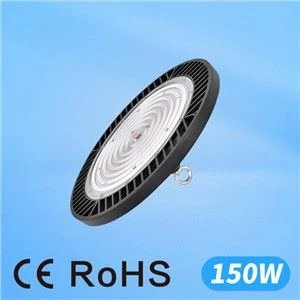
UFO LED High Bay 150w Round High Bay Light Fixture
UFO LED High Bay 150w Round High Bay Light Fixture

0-10V Dimmable UFO High Bay Light LED For Warehousing Lighting
0-10V Dimmable UFO High Bay Light LED for Warehousing Lighting

100W 150W 200W High Bay Lights - Commercial Lighting
5 Year Warranty Industrial High Bay LED Lighting Fixtures

5 Year Warranty Industrial High Bay LED Lighting Fixtures
5 Year Warranty Industrial High Bay LED Lighting Fixtures