

Spotlights and area lights are both types of artificial lighting that help to illuminate a space and create a certain mood or atmosphere. While they share similarities in their function, there are some key differences between these two types of lighting sources.
Spotlights are directional lights that focus light in a specific direction or area. They are typically used to highlight or accentuate a particular object or area, such as a piece of artwork or a feature in a room. Spotlights are often more focused and have a smaller beam angle than area lights, which means they can be used to create a more dramatic effect. They are also great for creating contrast and drawing attention to a particular part of a room.
Area lights, on the other hand, are designed to provide a more general source of illumination across a wider area. They are ideal for lighting up large spaces, such as a living room or dining room, and can be used to create a warm, welcoming atmosphere. Area lights are often softer and more diffused than spotlights, which means they are better suited for creating a gentle, ambient glow. They are also great for providing even illumination across a space, which can help to create a more comfortable and inviting environment.
In summary, spotlights and area lights each have their own distinct advantages and purposes. While spotlights are better for highlighting and dramatizing specific objects or areas, area lights are better for providing a more general source of illumination across a wider space. By understanding the differences between these two lighting sources, you can choose the one that is best suited for your particular needs and preferences.
WHAT IS THE DIFFERENCE BETWEEN SPOT LIGHT AND AREA LIGHT?
Popular Products

ATEX LED Explosion Proof Light 40/50/60W IP66 For Zone 1 & 21
LED explosion proof lightATEX certificatedZone1 & 21Power: 40/50/60W

IP66 LED Tri-proof Light 36/50/60/80/100W Waterproof Linear Light
This product is suitable for substations, factories, power distribution rooms, corridors, stations, airport buildings,
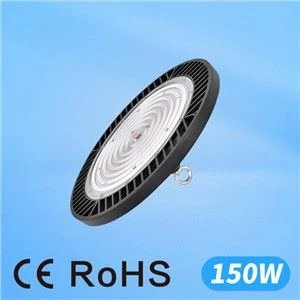
UFO LED High Bay 150w Round High Bay Light Fixture
UFO LED High Bay 150w Round High Bay Light Fixture

0-10V Dimmable UFO High Bay Light LED For Warehousing Lighting
0-10V Dimmable UFO High Bay Light LED for Warehousing Lighting

100W 150W 200W High Bay Lights - Commercial Lighting
5 Year Warranty Industrial High Bay LED Lighting Fixtures

5 Year Warranty Industrial High Bay LED Lighting Fixtures
5 Year Warranty Industrial High Bay LED Lighting Fixtures