

LED lighting has become increasingly popular in recent years, and for good reason. There are numerous advantages to using LED lights over traditional lighting options. However, while LED lighting has many benefits, there are also a few potential drawbacks to consider when making the switch.
Advantages of LED Lighting:
1. Energy Efficiency: LED lights are significantly more energy-efficient than incandescent or fluorescent bulbs. They use up to 80% less energy, which can result in significant cost savings on your energy bill.
2. Longevity: LED lights have an impressively long lifespan, typically lasting between 30,000 and 50,000 hours. This means that you may not need to replace your LED bulbs for years, reducing the amount of waste generated and saving money in the long run.
3. Durability: LED lights are much more durable than traditional light bulbs as they are made with solid-state technology, meaning they are less likely to break or shatter compared to other types of bulbs.
4. Design Flexibility: LED lights are available in a variety of shapes and sizes, allowing for greater design flexibility. They can be used in a variety of applications from interior lighting to outdoor lighting, and the range of colors available can create mood lighting that enhances the atmosphere of a space.
5. Environmental friendliness: LED lights are an eco-friendly choice, as they are free of toxic chemicals such as mercury and have a lower carbon footprint. They also emit very little heat, reducing the amount of energy used for cooling.
Disadvantages of LED Lighting:
1. Higher upfront costs: The initial cost of purchasing LED lights can be higher compared to other lighting options. However, the long-term energy savings and lifespan of LED lights can offset these costs.
2. Quality control issues: Like any emerging technology, there are still some quality control issues with LED lights. It's important to buy LED lights from a reputable source to ensure they meet safety and quality standards.
3. Color issues: While the color range of LED lights has improved in recent years, some users may still find the color too cool or harsh for their liking. However, this can be addressed by selecting a warmer color temperature or a specific type of LED.
Overall, the benefits of LED lighting far outweigh any potential drawbacks. By switching to LED lights, you can save money on your energy bill, reduce your environmental impact, and create a more attractive, functional, and safer space.
Advantages and Disadvantages of LED Lighting
Popular Products

ATEX LED Explosion Proof Light 40/50/60W IP66 For Zone 1 & 21
LED explosion proof lightATEX certificatedZone1 & 21Power: 40/50/60W

IP66 LED Tri-proof Light 36/50/60/80/100W Waterproof Linear Light
This product is suitable for substations, factories, power distribution rooms, corridors, stations, airport buildings,
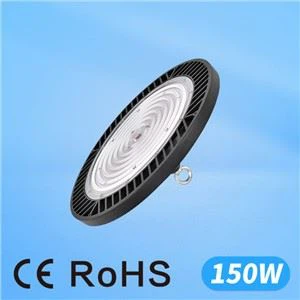
UFO LED High Bay 150w Round High Bay Light Fixture
UFO LED High Bay 150w Round High Bay Light Fixture

0-10V Dimmable UFO High Bay Light LED For Warehousing Lighting
0-10V Dimmable UFO High Bay Light LED for Warehousing Lighting

100W 150W 200W High Bay Lights - Commercial Lighting
5 Year Warranty Industrial High Bay LED Lighting Fixtures

5 Year Warranty Industrial High Bay LED Lighting Fixtures
5 Year Warranty Industrial High Bay LED Lighting Fixtures